
What Sales Reps Need To Learn After The Sale
The post-sale data points you need to protect your liquid from the retail graveyard
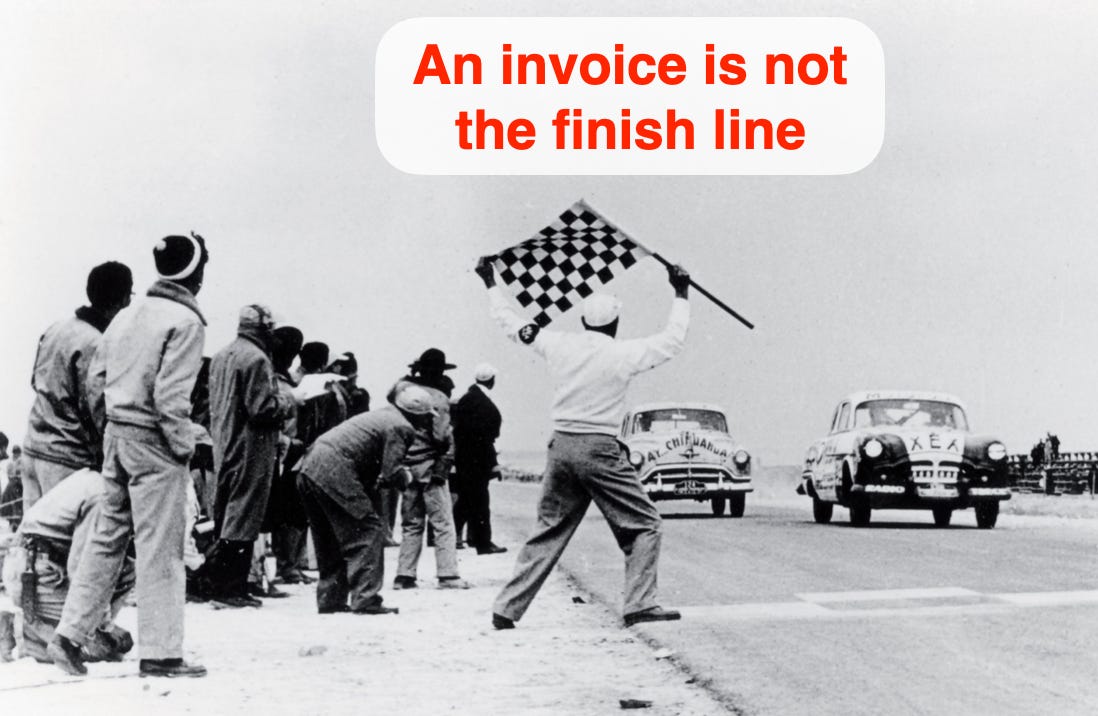
For a rep, a sale can easily be confused with success. But securing a placement, whether an endcap or a menu slot, is just the beginning.
Your brand doesn’t own that shelf space, so it’s imperative that you don’t treat an initial sale like a victory lap. It’s not difficult to find your bottles or cans evicted from the backbar, shelf, or cold case. Call it losing the placement, getting kicked off the menu, or hitting the clearance rack, churn is a beast. True partnership begins some time after the invoice is paid.
To protect distribution and turn one-off drops into permanent reorders, learn these 4 post-sale data points:
The Internal “Velocity Trigger” 🏎️
Identify the exact lever, a menu pairing, a floor display, or a staff tasting, that triggers consumer depletion. Bain & Company research shows a minor 5% increase in customer retention can skyrocket profits by 25% to 95%. Finding this trigger prevents a “one-and-done” graveyard.
The Neighborhood’s Demographic Profile 🛒
A college bar needs high-volume execution; a suburban boutique shop needs a deep backstory to justify a premium price. Learn the avatar walking through their doors so you can hand the account the exact script they need to sell it.
The Staff’s Honest Friction 🚩
What do bartenders and clerks secretly hate about your product? Hard-to-pull corks? Awkwardly shaped boxes? Address it during onboarding. Don’t ignore their reality. A Brandon Hall Group study found that structured onboarding boosts user success by 82%. Treat the account’s staff like your own team; if they aren’t onboarded, they will quietly neglect your brand.
The Reorder Threshold 📊
Every buyer has a mental breaking point or a corporately-mandated threshold. Find out exactly how many cases can sit on the floor before the buyer panics, and how low stock must get before a reorder becomes an urgent priority.